
WWOOF Nepal, Worldpackers and Workaway all list volunteering opportunities in Nepal, but the hosts worth staying with — family farms in the Annapurna valley, half an hour from Lakeside — are scattered across all three platforms, plus a layer of listings that never touch a platform at all. This guide explains what each service actually verifies, how to find a safe family-run host without paying an intermediary agency, exactly what to write in your first message, and how to book direct for less money and a better stay.
The three platforms, and what each one really verifies
Start with the honest version of what a membership buys you: a year of access to a host directory, a profile, a messaging system and other people's reviews. The day-to-day mechanics of a work exchange — hours, meals and what a working morning looks like — live in our complete guide to volunteering in Pokhara; this piece stays on finding and vetting the host. It does not buy a background check, an inspection of the farm, or a guarantee that the schedule in the listing matches the one you find on arrival. Verification on these sites means identity and profile completeness — a confirmed email, a phone number, sometimes an ID document — plus a review history that either holds up or does not. That is genuinely useful, and it is also why your own judgement still matters more than the badge.
WWOOF runs country by country, so a membership with WWOOF Nepal costs about US$40 a year for one person or US$60 for a pair, and it covers only Nepali hosts. Hosts pay nothing to be listed, which keeps commercial operations out and the directory small. Worldpackers sells an annual plan with a points system and a strong review culture — the platform most first-time backpackers arriving in Pokhara already have on their phones. Workaway is the largest of the three at roughly US$70 a year for a solo account, and its listings stretch beyond farming into hostels and families.
Finding a family-run host in the Annapurna valley
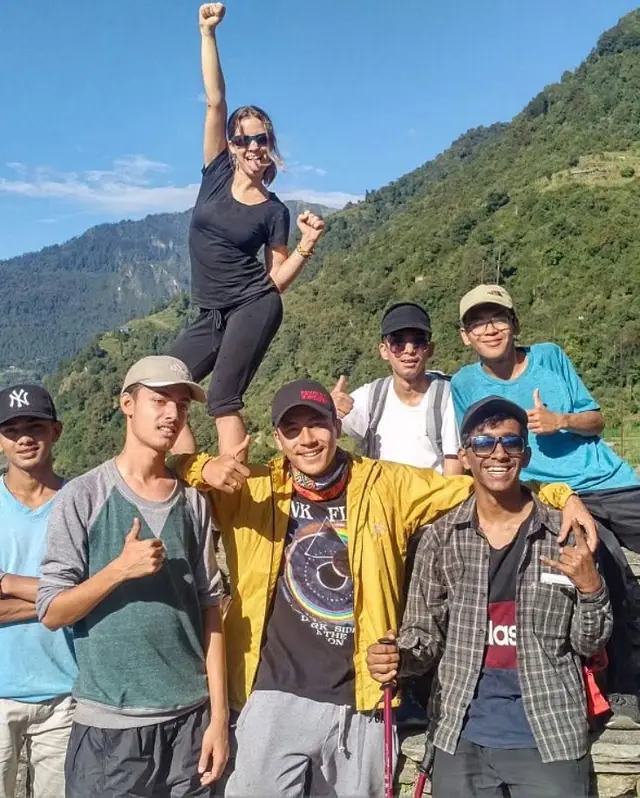
The filtering that matters is not which platform you are on; it is which listing you open. Search around Pokhara rather than Nepal as a whole — the valley between Fulbari, Rupa and Begnas lakes holds dozens of small farms within half an hour of town, and the mountains in the photographs are recognisably the ones you can see from the lake. Then read the listing the way you would read a CV: photos of an actual house, actual hands, actual soil, not stock images of generic hands holding a seedling.
A genuine family host mentions the family. They describe the meals you will eat together, the crops they grow, the village where the farm sits, and the hours in numbers — four hours, five hours, mornings only. They state the minimum stay, usually one to two weeks, because a family cannot rebuild its routine around a guest who leaves in three days. Listings that promise flexible hours, nothing specific about the location, and no reference to anyone Nepali in the household are either badly written or worth avoiding. When you find one you like, check whether the same farm appears on a second platform: the reviews there may be longer.
Why pay a platform when you can write to the farm?
We host volunteers directly — no membership fee, no agency commission, and a real reply within a day.
Register as a volunteerWhat to message a host, and what a good reply looks like
First messages get ignored when they are one line long, so write six lines that answer the questions a host is already asking themselves. Say who you are, where you are flying from, your exact dates and how many nights you can stay; name two skills or tasks you can genuinely do, mention any dietary needs, and finish with one specific question about their farm — what is being planted this month, or whether volunteers eat with the family. Enthusiasm is fine; detail is what gets a reply.
A good answer arrives within a couple of days, comes from a named person, and gives you things you did not ask for: a daily schedule, a description of the room, the location on a map, and an invitation to talk further. Many hosts in Nepal prefer WhatsApp to platform messaging once introductions are made — that is normal and usually faster, and you can always message us on WhatsApp with dates and questions before you commit to anything. You can also skip the platforms entirely and register directly as a volunteer, where the form takes five minutes and asks for the same information the platforms do.
Red flags worth walking away from
Nobody is going to hand you a list of the things that are wrong with their placement, so it is worth knowing what has gone wrong for other travellers. The pattern in almost every bad story is the same: the arrangement was vague in writing and rushed in person.
- Cash demanded in advance, outside any platform's payment system, before you have an address or a call.
- No exact address, or an address that does not resolve on a map — you cannot assess safety from a pin you have not seen.
- Hours described as as needed or as long as there is work, with no daily figure written anywhere.
- No Nepali family in the photographs or the description — a farm staffed only by foreign volunteers is a business, not an exchange.
- Pressure to confirm today because someone else is asking for your dates.
- A listing with reviews that are all short, all recent and all suspiciously similar in wording.
- Requests to say you are a tourist, or to describe your stay as a holiday if asked at the border.
Why booking direct is cheaper — for both of you
Platforms charge travellers an annual fee, which is fair value if you travel often. What costs real money is the layer on top: agencies that advertise themselves as WWOOF-style placements and then charge a programme fee of several hundred dollars per week for the same room and the same dal bhat that you could arrange with the family directly. Nothing is added except a coordinator who replies to your email.
Booking direct means the money reaches the household that is hosting you, the rate is lower, and the terms are clear: hours, meals, days off and the room agreed in a message before you land. It also changes the relationship — you arrive as an expected guest rather than a placement. The polite way to close the loop is to leave a review on whichever platform introduced you, so the next traveller gets the same help you did. If you would rather arrange it in one conversation, our volunteer registration opens the same doors with nobody taking a cut.
Before you fly: the five-point check
Run through this list the week before you travel and you will have covered nearly everything that can go wrong. Save the farm's address, phone number and a screenshot of your conversation somewhere offline — SIM cards fail and platforms get logged out of on arrival day.
- Address confirmed and checked on satellite view; the road in is visible.
- A video call completed, with the room shown on camera.
- Daily hours, days off and meal arrangements written down.
- Arrival plan agreed: which airport or bus park, what time, and who is meeting you.
- Travel insurance that covers medical treatment and helicopter evacuation, which matters as much for a farm stay as for a trek.